
BEYOND THE FRAME
Photography, memory and the things an image cannot quite hold.
Photography & Image
Nikon
Camera

INTRO
A photograph appears to preserve a moment.
A face, a room, a landscape, a gesture frozen in time.
But every photograph is also an act of omission. The camera chooses where to look, what to include and what to leave outside the frame.
What remains unseen can sometimes be as important as what we see.

OUTSIDE THE FRAME
Every photograph begins with a decision.
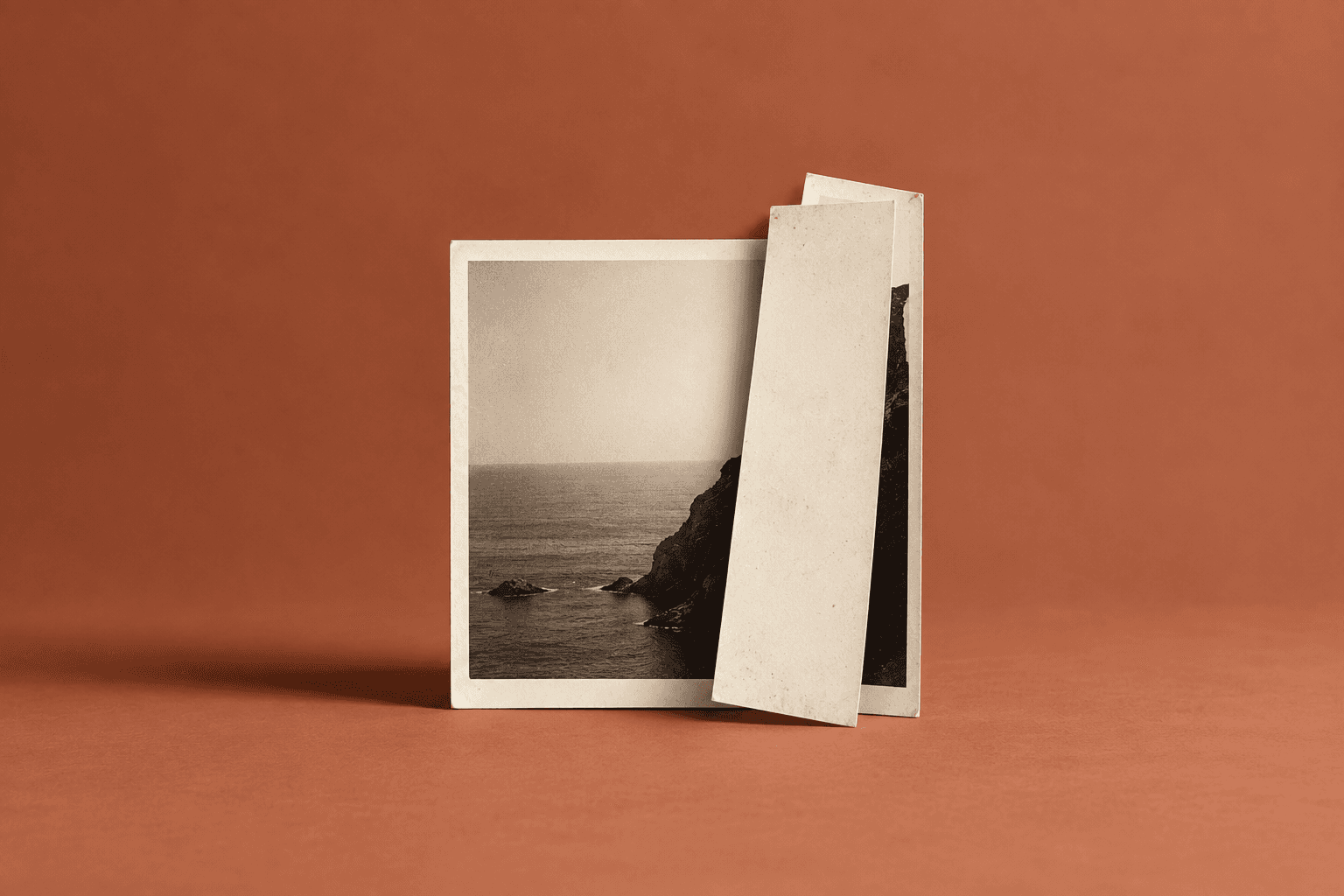
A frame creates a boundary between what becomes visible and everything that remains outside it. The photographer chooses a fragment of reality, giving that fragment a new meaning.
But the world does not stop at the edges of the image.
There is always something beyond the frame: another room, another gesture, another moment, another story.
Photography becomes interesting precisely because it cannot show everything.
It gives us a fragment and asks us to imagine the whole.

WHAT REMAINS
Years later, a photograph can become something different from what it originally was.
An image of a place becomes a memory of that place. A portrait becomes a reminder of someone we once knew. An ordinary afternoon can acquire meaning simply because it was photographed.
Perhaps this is why we keep photographs.
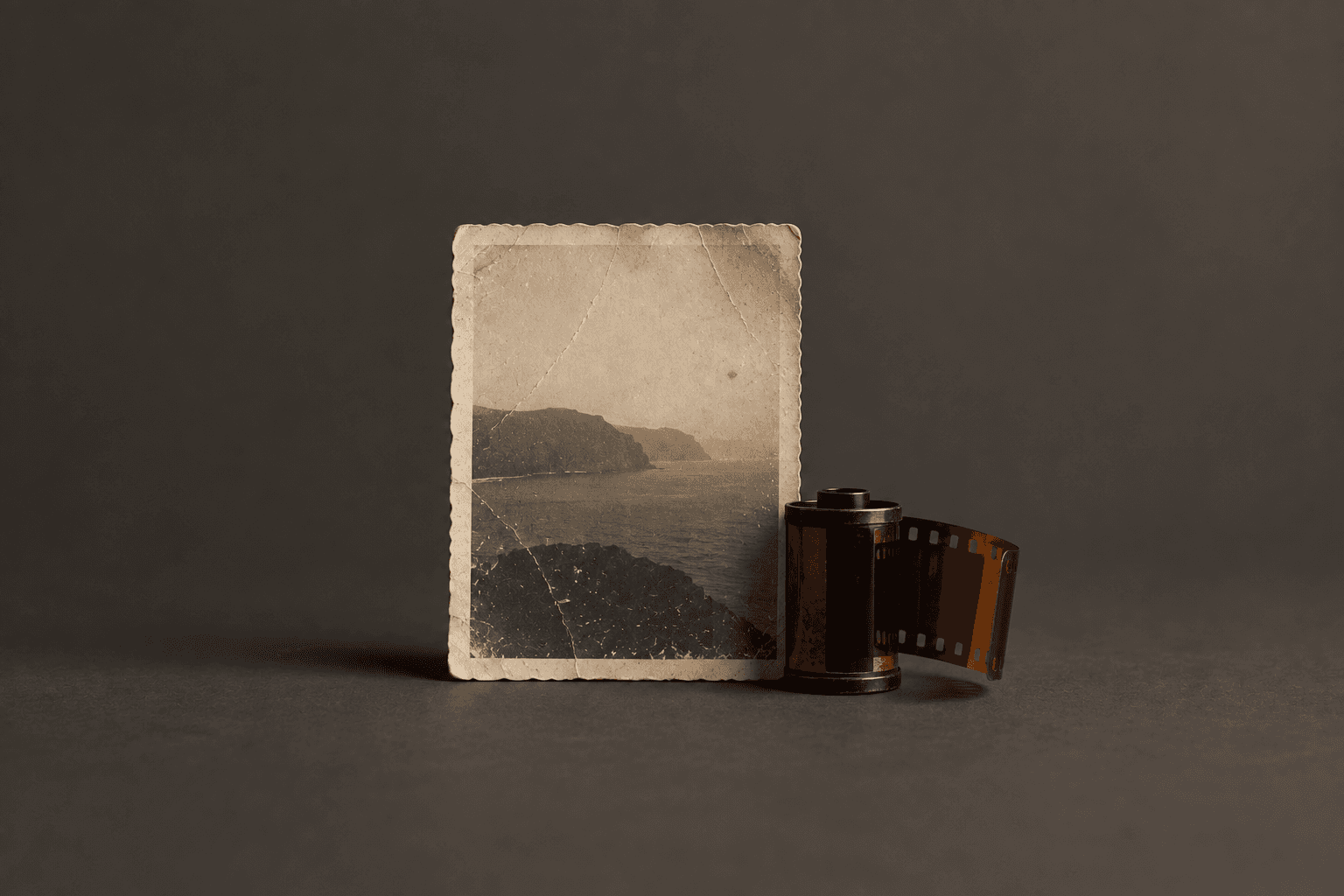
Not because they perfectly reproduce the past, but because they allow us to return to something that no longer exists.
The photograph remains.
The moment does not.


BEYOND THE FRAME
Photography, memory and the things an image cannot quite hold.
Photography & Image
Nikon
Camera
INTRO
A photograph appears to preserve a moment.
A face, a room, a landscape, a gesture frozen in time.
But every photograph is also an act of omission. The camera chooses where to look, what to include and what to leave outside the frame.
What remains unseen can sometimes be as important as what we see.
OUTSIDE THE FRAME
Every photograph begins with a decision.
A frame creates a boundary between what becomes visible and everything that remains outside it. The photographer chooses a fragment of reality, giving that fragment a new meaning.
But the world does not stop at the edges of the image.
There is always something beyond the frame: another room, another gesture, another moment, another story.
Photography becomes interesting precisely because it cannot show everything.
It gives us a fragment and asks us to imagine the whole.
WHAT REMAINS
Years later, a photograph can become something different from what it originally was.
An image of a place becomes a memory of that place. A portrait becomes a reminder of someone we once knew. An ordinary afternoon can acquire meaning simply because it was photographed.
Perhaps this is why we keep photographs.
Not because they perfectly reproduce the past, but because they allow us to return to something that no longer exists.
The photograph remains.
The moment does not.
BEYOND THE FRAME
Photography, memory and the things an image cannot quite hold.
Photography & Image
Nikon
Camera
INTRO
A photograph appears to preserve a moment.
A face, a room, a landscape, a gesture frozen in time.
But every photograph is also an act of omission. The camera chooses where to look, what to include and what to leave outside the frame.
What remains unseen can sometimes be as important as what we see.
OUTSIDE THE FRAME
Every photograph begins with a decision.
A frame creates a boundary between what becomes visible and everything that remains outside it. The photographer chooses a fragment of reality, giving that fragment a new meaning.
But the world does not stop at the edges of the image.
There is always something beyond the frame: another room, another gesture, another moment, another story.
Photography becomes interesting precisely because it cannot show everything.
It gives us a fragment and asks us to imagine the whole.
WHAT REMAINS
Years later, a photograph can become something different from what it originally was.
An image of a place becomes a memory of that place. A portrait becomes a reminder of someone we once knew. An ordinary afternoon can acquire meaning simply because it was photographed.
Perhaps this is why we keep photographs.
Not because they perfectly reproduce the past, but because they allow us to return to something that no longer exists.
The photograph remains.
The moment does not.
